
Using Photography to Inspire, Educate and Empower
Ka-chak! A camera stirs awake, a mechanical heartbeat against the hush of a misty afternoon. Raindrops trace lazy paths down its fogged plastic covering, like minnows skimming across a pond. It’s a typical Pacific Northwest day at Maury Island Natural Area on Vashon Island, and Ray Pfortner is in his element. But ask him if he’s a photographer, and he’ll hesitate.
“I use photography. It’s been a vehicle to other things, places and people,” he says. “But I’m an educator. That’s what I want to be known for. It’s the most rewarding thing I’ve ever done in my life.”
Ray doesn’t just take pictures — he teaches people how to see. A biologist by training and a UW Continuum College photography instructor by calling, he has spent decades helping students of all ages harness the camera not just to capture light, but to illuminate ideas, emotions and causes.
“The youth are uninhibited. They take chances that retirees never will. But there’s a seasoning of adults 50 and older, there are things I can take from their wisdom and lifelong learning."
“The angle you shoot at, the time of day, the weather conditions. You can influence what somebody feels when they see a photograph,” he says. “And that's part of telling a story. And the story you want to tell.”
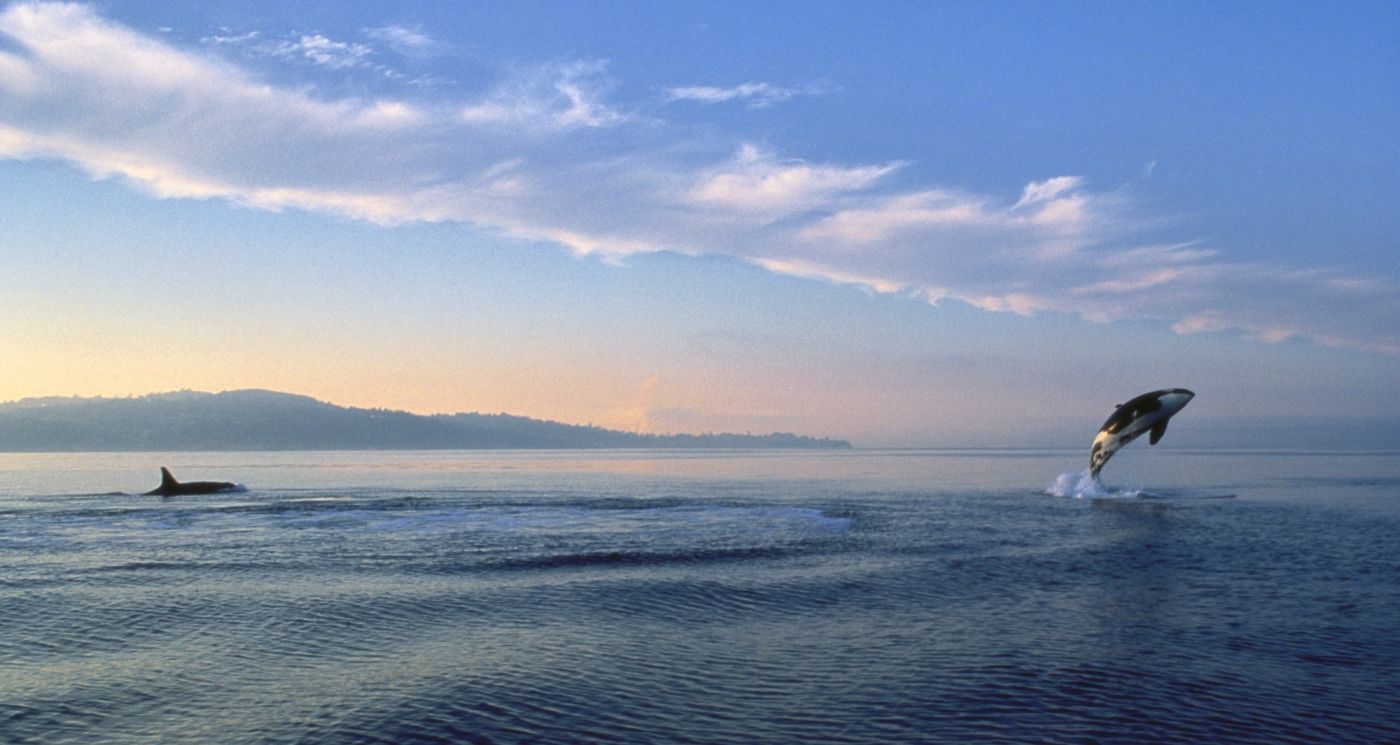
One of his most important photos, a shot of a breaching J-Pod orca off Vashon Island, did more than capture a rare moment. It provided crucial evidence that the endangered Southern Resident Killer Whales travel farther south in the Salish Sea than previously documented. That single frame became a linchpin in a grassroots campaign to halt a gravel pit project threatening local wildlife.
“That image was my visual proof and totally unwound a lot of the scientific testimony,” he recalls. “We defeated an international project that I thought was unbeatable. And now it's a natural area.”
It wasn’t just a victory for conservation. It was a testament to how one person, armed with a camera, can teach, transform and make a lasting impact.
The Educator Behind the Lens
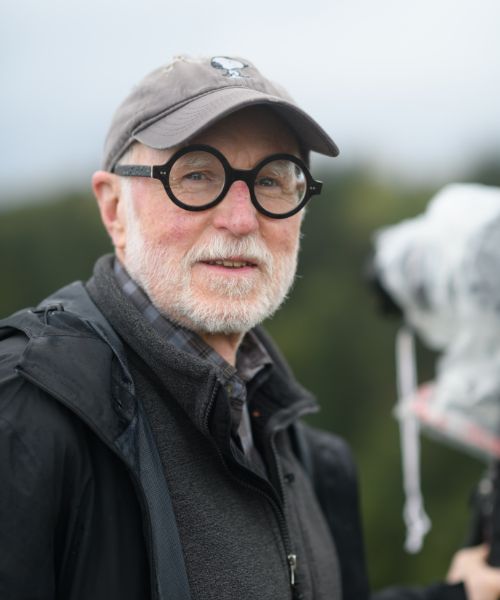
Ray chases the perfect shot at Maury Island Natural Area.
Ray’s journey began with a practical need. While working for the New Jersey parks department, he gave educational presentations but lacked visuals to support them. With no budget for slides, he picked up a camera — and discovered a lifelong passion.
“I had to get photographs good enough to show people, or I had no program,” Ray says. “I realized the power to show people things they’ve never experienced and change behavior. You can change lives with it.”
That realization led Ray to the classroom, where he has spent more than eight years teaching at UW Continuum College and recently earned the UWPCE Instructional Excellence Award — Legacy in Teaching. His reach spans generations — from middle and high schoolers in UW Youth & Teen Programs to adults in UW Professional & Continuing Education and retirees in the Osher Lifelong Learning Institute at the UW. Each group, he says, brings something unique to the classroom.
“The youth are uninhibited. They take chances that retirees never will. But there’s a seasoning of adults 50 and older, there are things I can take from their wisdom and lifelong learning,” he says. “And the certificate students benefit from both ends of the spectrum.”
Ray thrives on this cross-generational exchange, where ideas bounce between age groups and inspiration flows freely. “I can bring work from one group and show it to another group,” explains Ray. “There's great fertilization back and forth.”
Unlocking Possibility
One student who felt that dynamic energy early on is UW Youth & Teen Programs student-turned-assistant-instructor Tom Fathi. He walked into Ray’s classroom with a hand-me-down Canon Rebel and little more than curiosity. By the end of the two-week camp, he had a foundation and a vision.
“Ray’s teaching style, his excitement, his push to try things, made me feel comfortable and willing to ask questions,” says Tom. “I started to see how you can get creative behind the lens.”
The lessons stuck. In high school, Tom’s talent began turning heads — earning him both state and national photography awards, including first place for a powerful image taken during a protest after a tragic school shooting. It marked a turning point: photography was no longer just about aesthetics; it had become a tool for empathy and truth. “The camera lets us see things we’d never know happened,” he says. “That’s really impactful.”
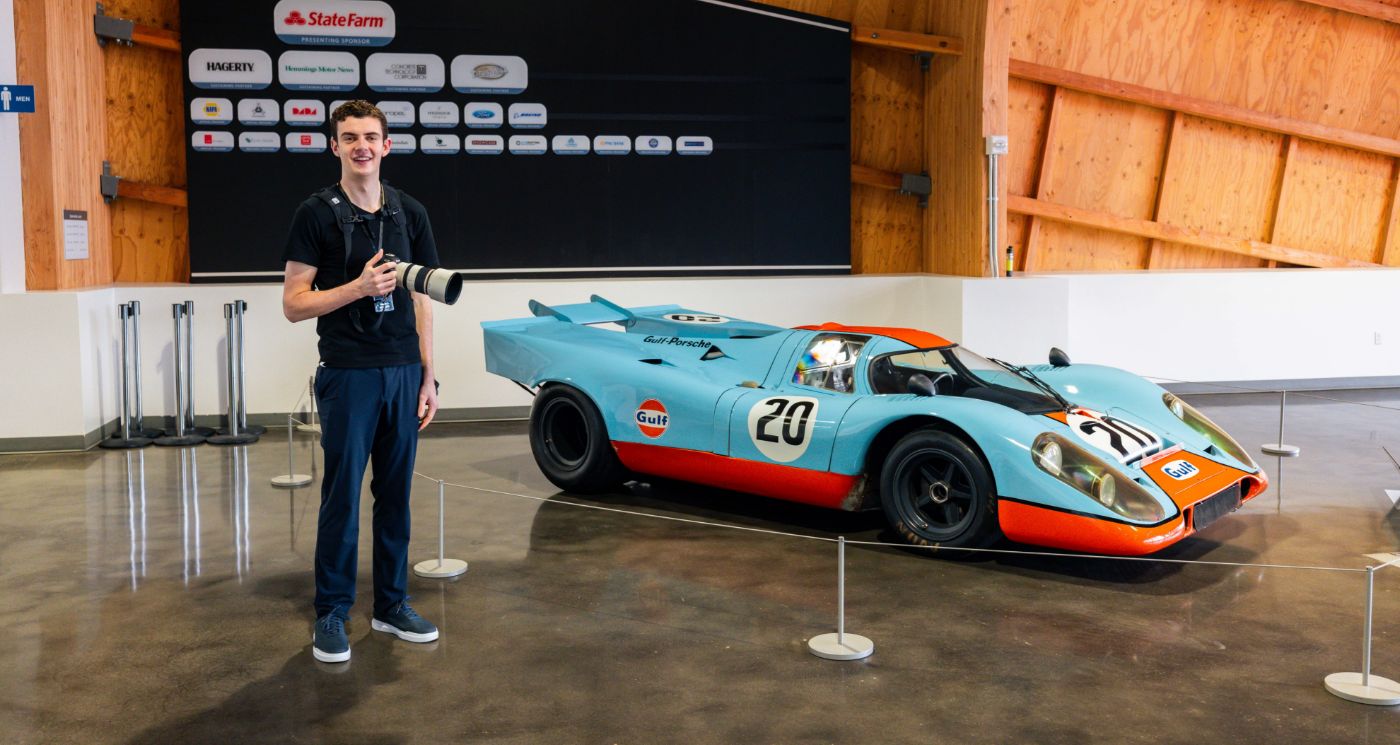
Tom poses with his favorite subject. Photo courtesy of Travis Gallatin.
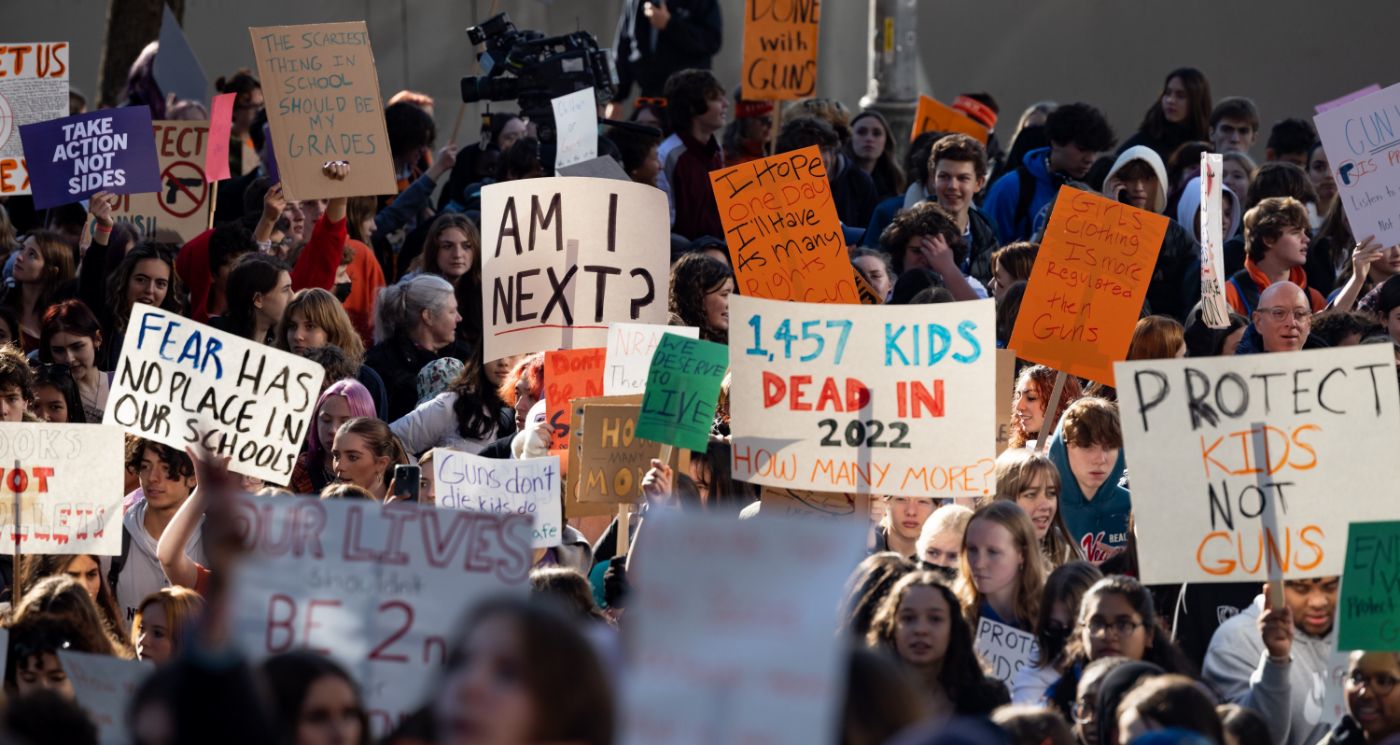
An award-winning shot of a protest in action. Photo courtesy of Tom Fathi.

A Porsche stuns, even with Mt. Rainier showing off behind it. Photo courtesy of Tom Fathi.
Tom went on to be a photo editor at Loyola Marymount University’s award-winning student paper, the Los Angeles Loyolan, and a freelance automotive photographer in Seattle. For him, photography is more than a hobby — it’s a way to combine passions, tell stories and make a living.
“The biggest thing Ray unlocked for me was that I was able to take my passion for cars, and at the time, a new passion for photos and blend them,” he says. “Today, I've taken photos of cars all around the world for publications and all sorts of companies. And that's my work. And that's a beautiful thing.”
Confidence Through Creativity
While some student journeys lead to a career in professional photography, Ray knows that not everyone enters his class with that goal. For many, the experience is more personal — a creative awakening that reshapes their self-perception.
"When your teacher is telling you to your face that you’re an artist, it’s pretty special. It brings a lot of joy to me, in my place in life, to be proud of what I'm doing.”
That’s why Ray emphasizes creative confidence just as much as technical skill. He understands the quiet, persistent doubt that often shadows the creative process, especially for those who are just beginning.
“Even the most accomplished artists are insecure. We’re creating something we share with people. That’s intimidating,” he says. “But if you're composing pictures, if you're making pictures, if you're trying to tell a story to me, you're an artist.”
That message resonated with Colin Fox, UW Certificate of Photography alum, who’d spent years in the fast-paced world of semiconductors, navigating deadlines and international business trips. But somewhere along the way, he began to crave something more, a creative outlet.
What started as a mental health break turned into a personal renaissance. “Ray’s course content and way of teaching helped me see the world differently,” Colin says. “He was bringing out my creativity, which I didn't know was inside me.”
Ray also saw potential in Colin’s architectural photography before Colin did, a quiet strength that opened his mind to explore. “I cared more about what other people thought about a photo than what I thought about it myself,” he admits. “Ray pointed out a few images where he could see something there. Up until that point, I hadn’t realized that this was something my eyes could see quite well. And that gave me a lot of confidence.”
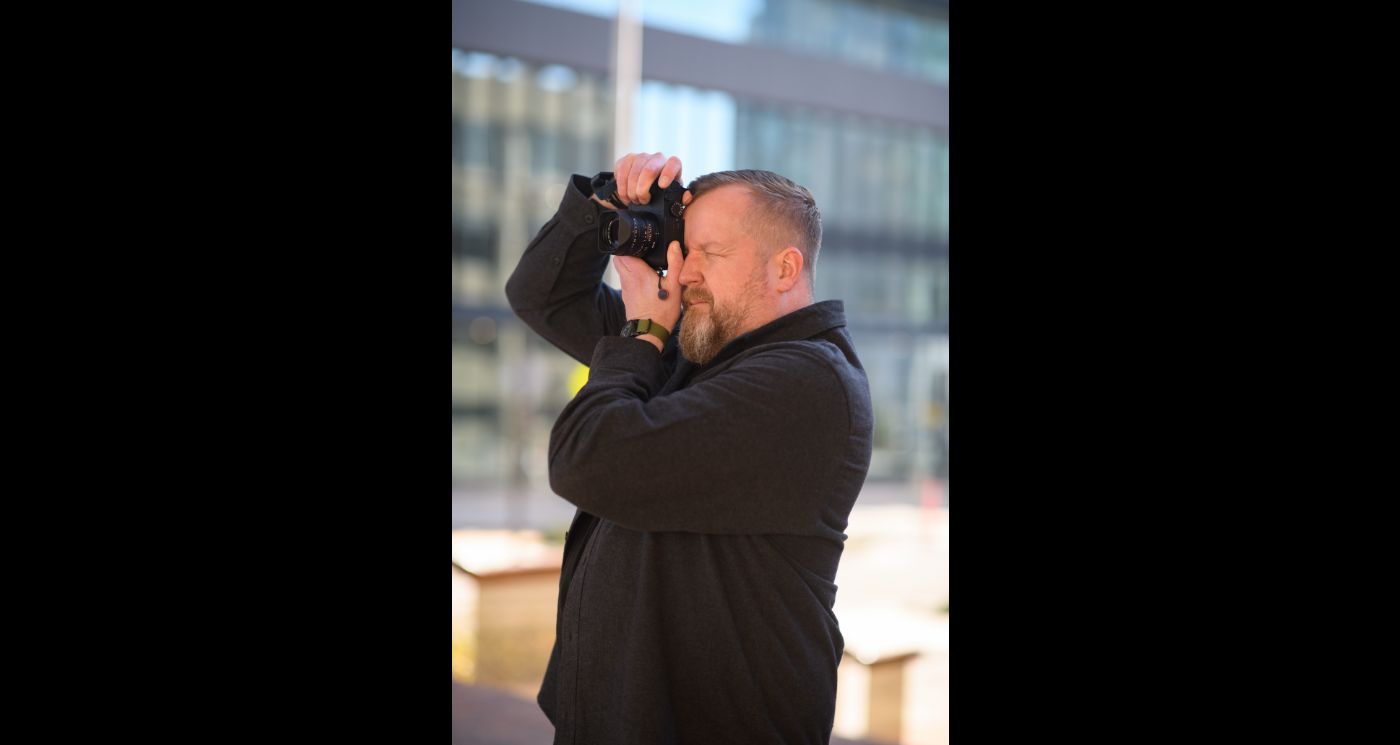
Colin Fox behind the lens in the University District.
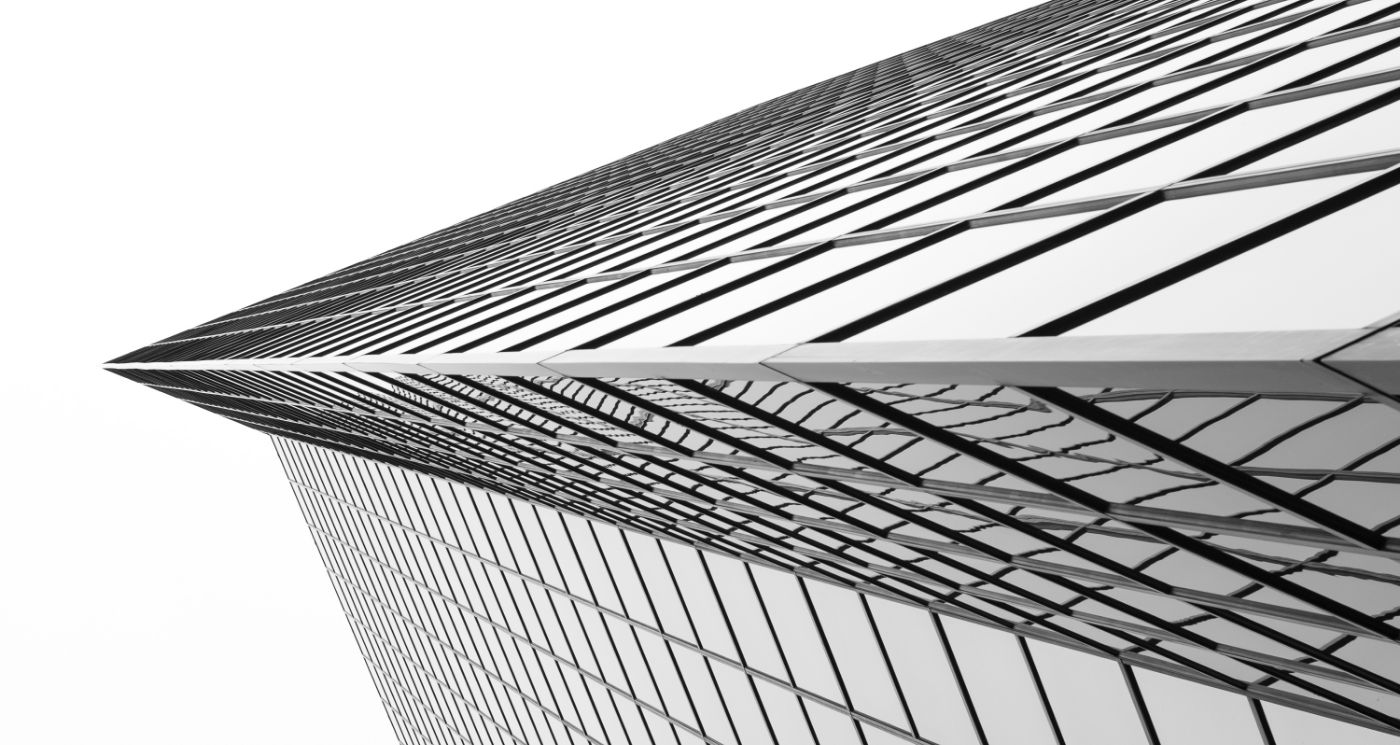
The bold lines of a building captured in a monochrome. Photo courtesy of Colin Fox.
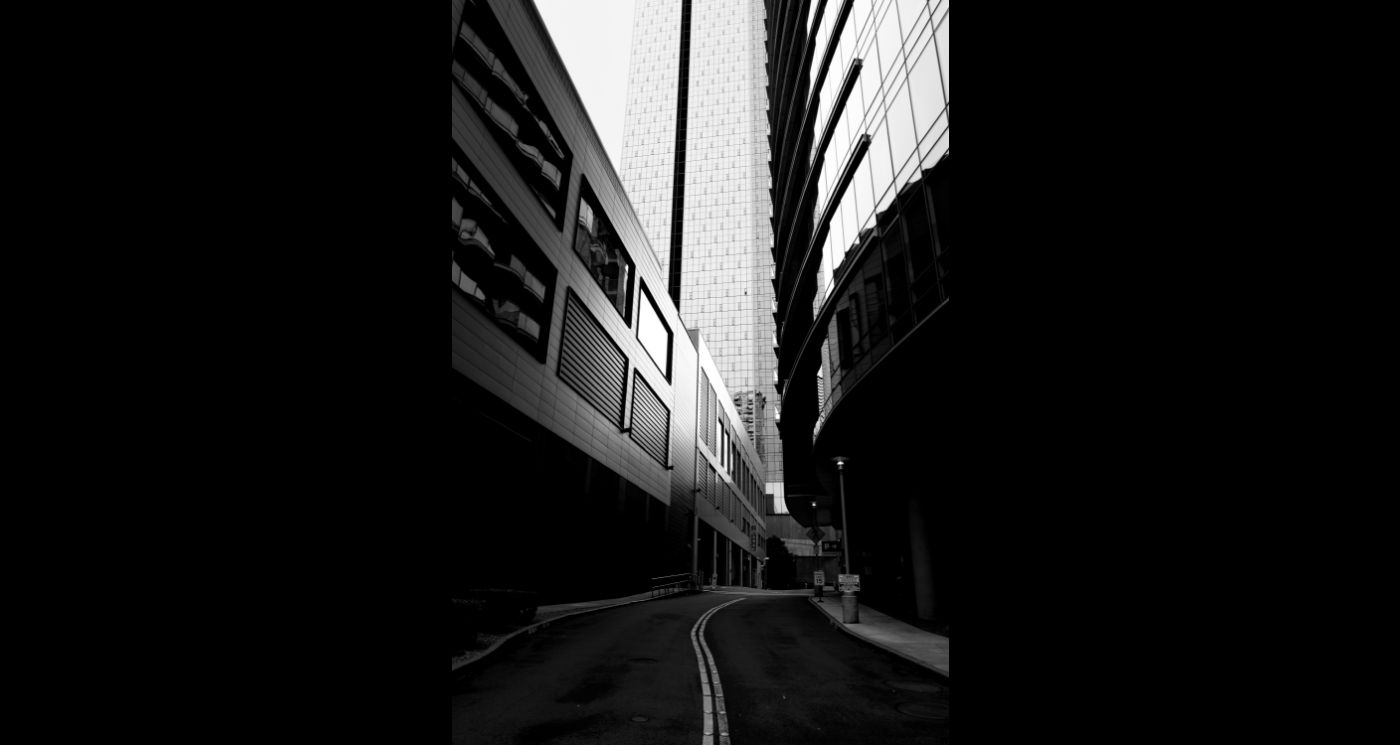
A city alleyway offers an inspiring view. Photo courtesy of Colin Fox.
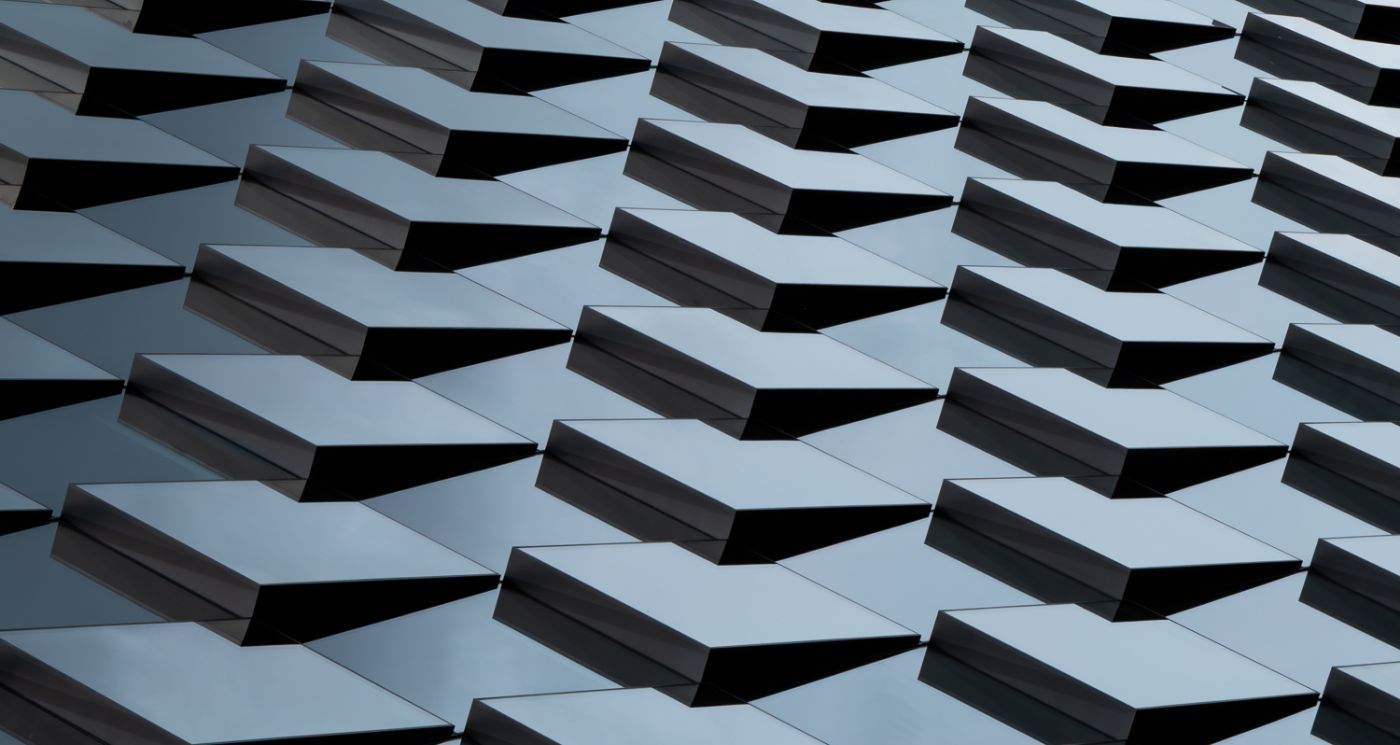
Architecture becomes art through Colin's lens. Photo courtesy of Colin Fox.
But the most powerful shift wasn’t technical — it was personal.
“I never considered myself an artist. I was always just an engineer,” Colin says. “But when your teacher is telling you to your face that you’re an artist, it’s pretty special. It brings a lot of joy to me, in my place in life, to be proud of what I'm doing.”
That pride has grown into something tangible. Since completing the certificate program, Colin has launched his own photography business and actively participates in the photography community. “I go to events where people know me,” he says. “We talk, share knowledge and I’m constantly learning.”
Finding Meaning in the Everyday
For Gayle Sammons, the impact of Ray’s teaching was quieter — but no less profound. A member of the Osher Lifelong Learning Institute at the UW, she enrolled in a photography course as something to do with her husband besides going for walks. But surrounded by classmates wielding professional cameras, Gayle felt out of place with just her phone.
That is, until Ray stepped in and reminded her that the heart of photography is in the ability to see meaning in the everyday. “Don’t dismiss a photo just because you made it with a phone,” he says. “There are amazing opportunities everywhere.”
It’s a philosophy shaped by decades behind the lens: what feels ordinary today becomes extraordinary tomorrow. “We owe it to the future to document our present,” says Ray. “Even the most commonplace moments become history.”
That simple validation was transformative. “He helped me realize that my photographic eye is actually quite artistic,” Gayle recalls. “And that there are many ways to be creative beyond the traditional definitions.”
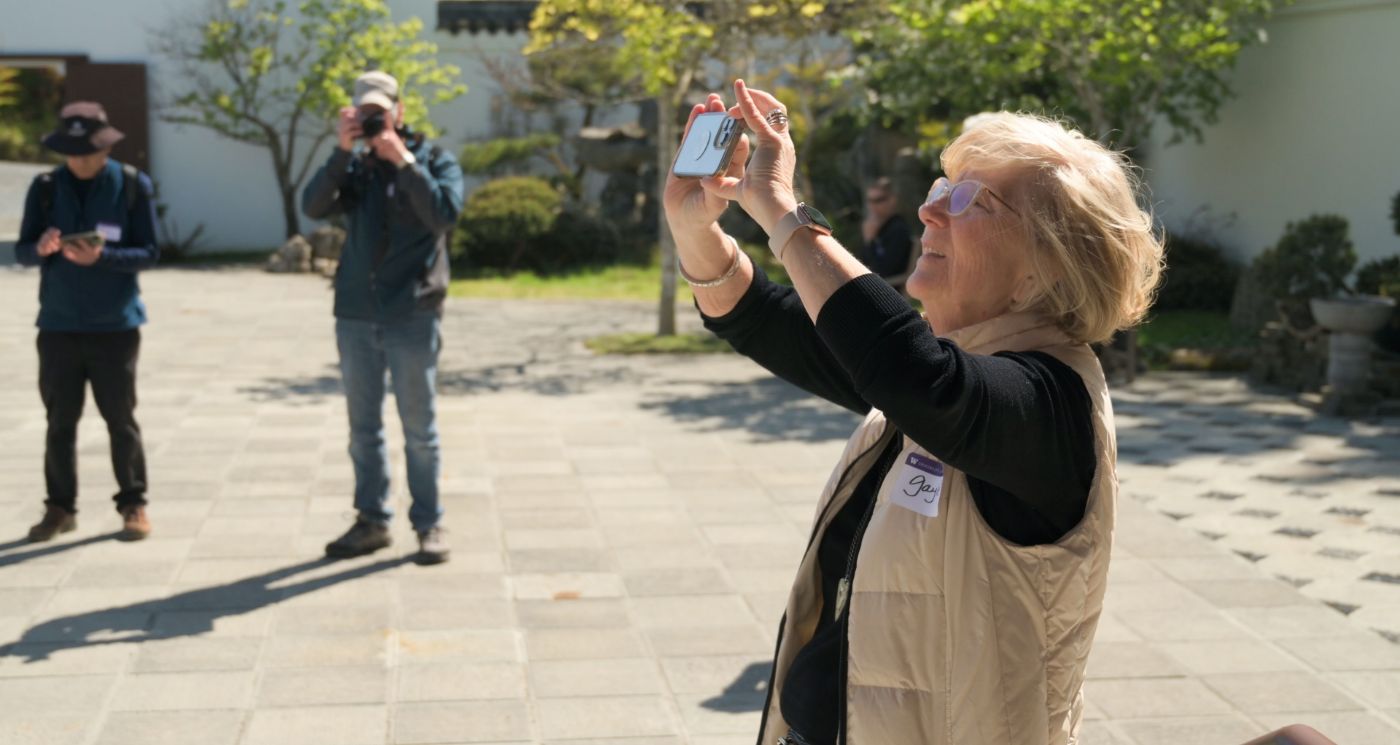
Gayle Sammons snaps a photo at the Seattle Chinese Garden.
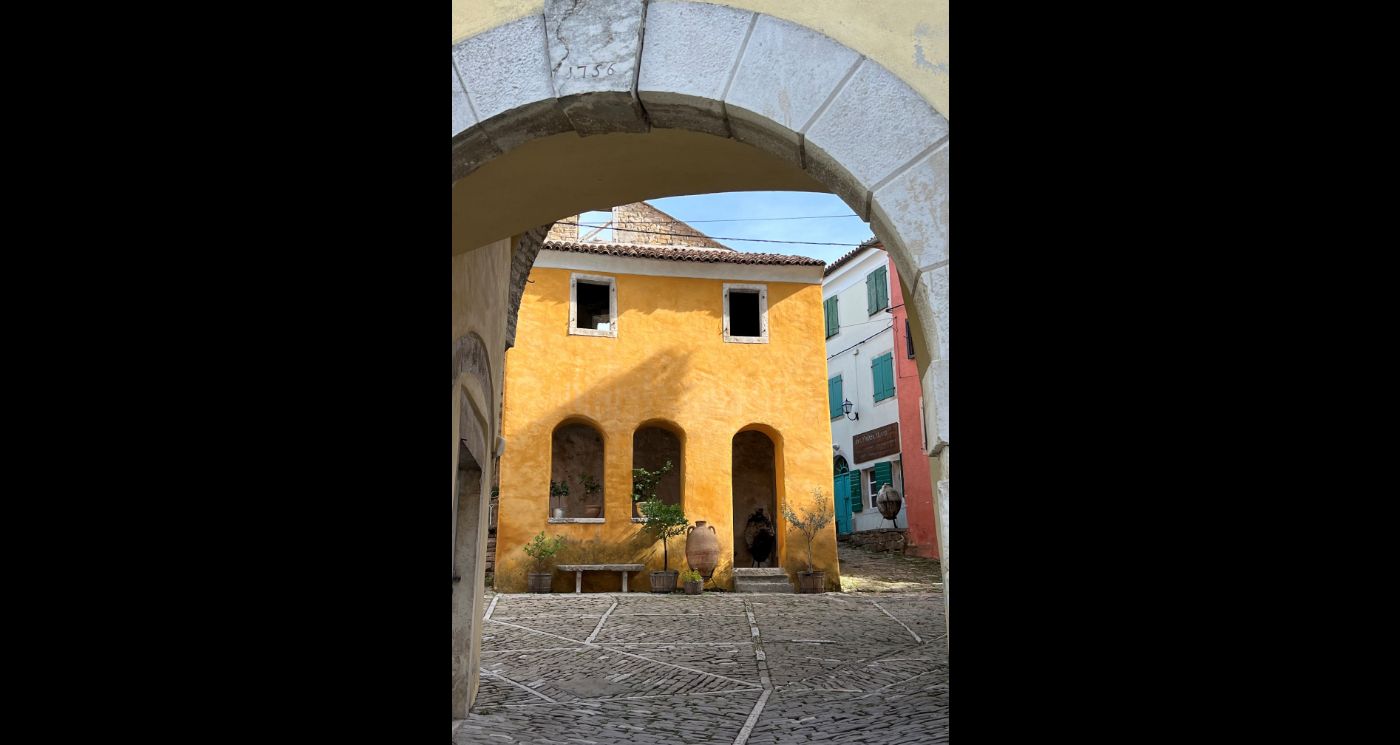
A pop of yellow in Croatia’s old-world charm. Photo courtesy of Gayle Sammons.
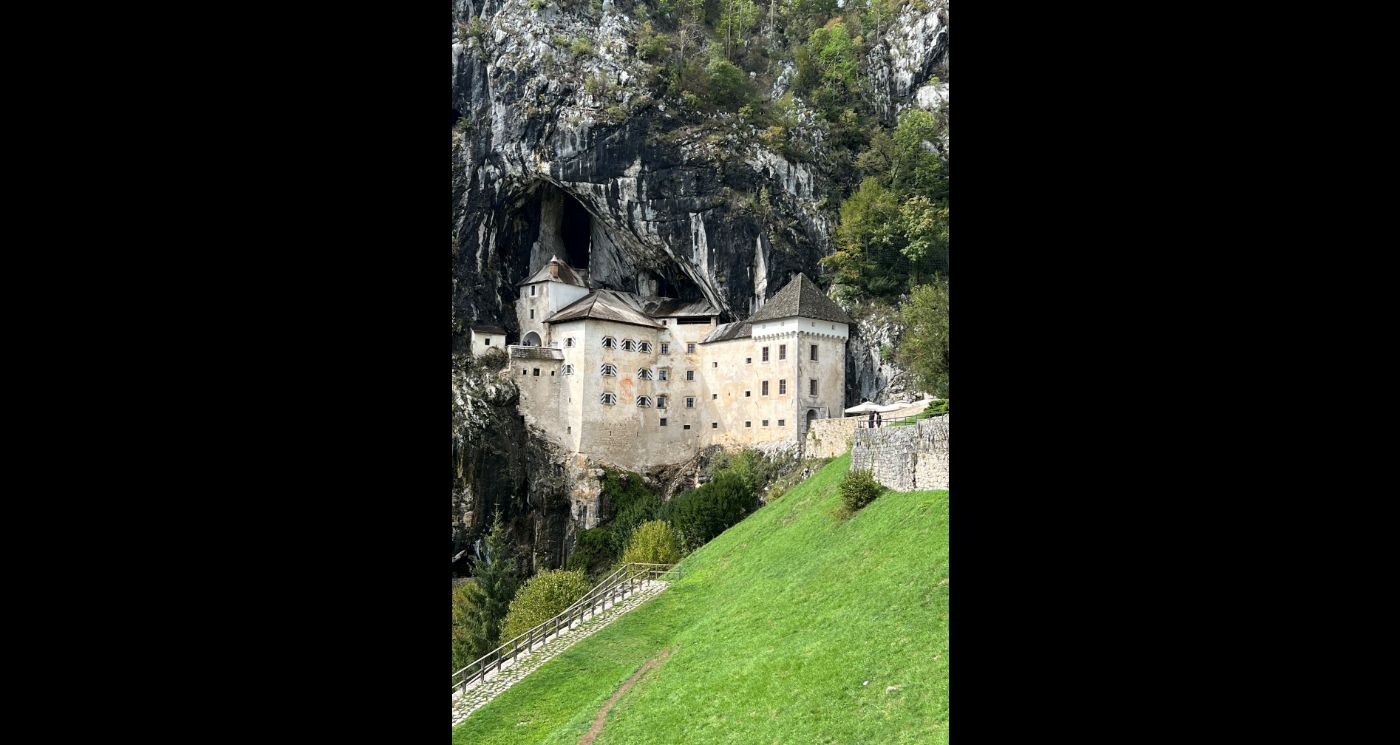
A Croatian castle, frozen in time. Photo courtesy of Gayle Sammons.
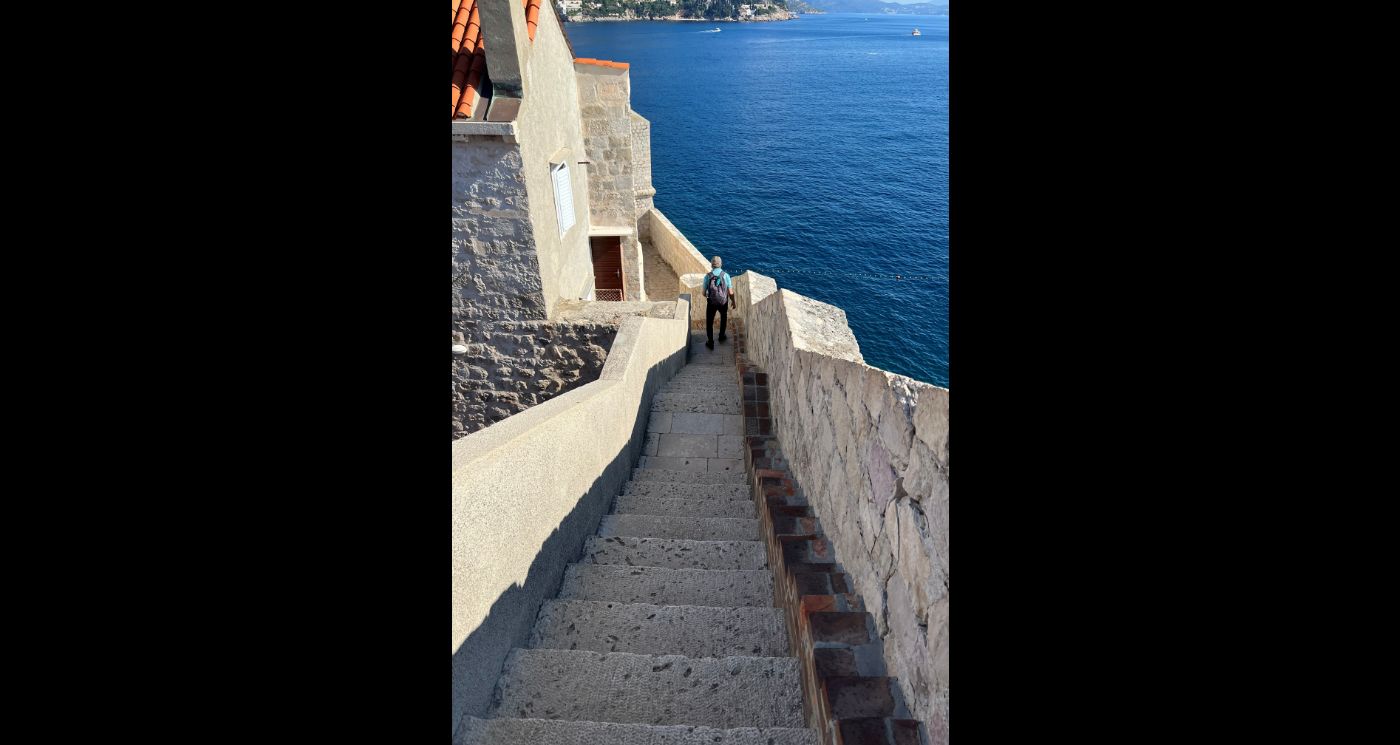
Gayle’s lens turning everyday steps into an unforgettable path. Photo courtesy of Gayle Sammons.
Ray’s lessons encouraged Gayle to look closer, to find stories in shadows, beauty in overlooked details and emotion in fleeting moments. Photography, once a casual interest, evolved into a means to preserve memories and convey meaning.
“It’s a moment in time you can never get back,” she says. “I took a photo of my mom’s hand holding mine while she was dying. I love that picture. It means everything.”
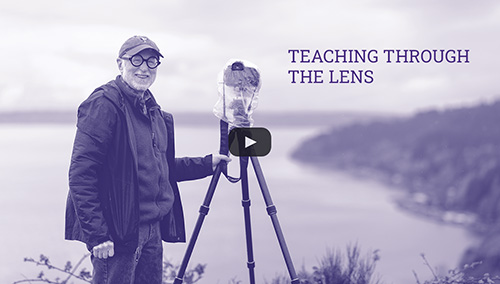
Watch the story come to life in the full video.
Ray’s classes aren’t just about mastering a camera — they’re about discovering the courage to see the world differently and to believe in your own creative voice. Through his lens and teaching, Ray shows students that the power of photography lies in sharing knowledge, creating meaning and inspiring lifelong growth.
“Continuous learning is critical,” Ray says. “As we age, we have so much to offer. For some, it’s not running for office or volunteering at a food bank. It can be our art. It can make such a difference.”